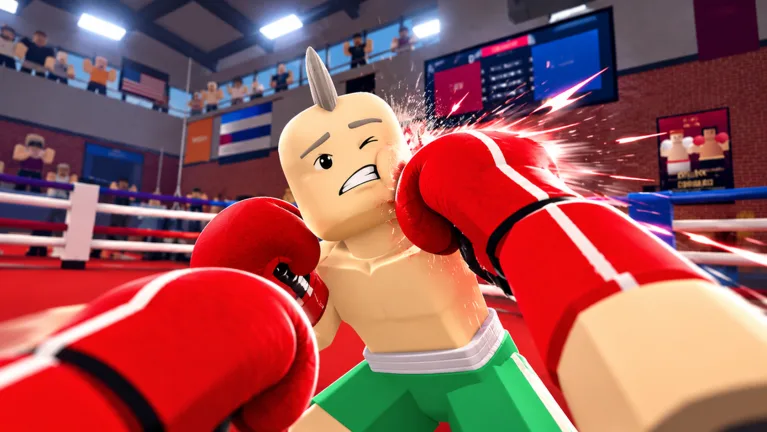
First Person Boxing Knockdown Replays & Video Review
Discover how first person boxing knockdown replays impact combat sports and gaming mechanics. Get the latest insights on video review today.
Published: First Person Boxing Wiki Editorial Team
Table of Contents
Understanding the Need for Video Review in Combat Sports
Stepping into the ring is the ultimate test of endurance, where a single mistake can permanently alter a fighter's trajectory. When analyzing intense bouts, examining first person boxing knockdown replays has become a critical topic for both real-world athletes and virtual competitors. Without the safety net of multiple games a week like other major sports, boxers rely on absolute accuracy from the judges.
The integration of first person boxing knockdown replays bridges the gap between human error and objective fairness. In high-stakes matches, questionable referee calls can instantly shift momentum and ruin years of rigorous training. According to a notable ESPN report by Wallace Matthews regarding officiating challenges, legendary fights have frequently been swung by misinterpreted moments that video technology could have easily corrected.
To understand how real boxing handles these intense moments—and how a Roblox experience like First Person Boxing approaches them—let us examine the core mechanics of tracking decisive blows and managing competitive pressure.
Match Aspect
Traditional Officiating
Modern Video Review System
Call Accuracy
Prone to human sightlines
Verified through multi-angle capture
Impact on Momentum
Permanent and unchangeable
Correctable within regulation breaks
Fighter Confidence
Dependent on referee consistency
Backed by objective replay data
The Mechanics Behind Virtual and Real Knockdowns
In competitive combat platforms like the Roblox experience First Person Boxing by Can You Box?, immersion is everything. Players experience the sheer intensity of a match through direct eye-level perspectives, making every incoming hook and decisive blow feel intensely personal. When a fighter hits the canvas, understanding whether it was a legitimate punch or a mere balance loss completely changes the strategy of the next round. The official description leans into that drama directly, listing cinematic knockdowns and replays as a headline feature—a presentation choice rather than a formal judging or review process.
Real-world boxing shares this exact tension. A prominent historical example involves the seventh-round knockdown during the Manny Pacquiao and Timothy Bradley bout, where a push was mistakenly credited as a scoring knockdown. Community reports and professional analysts noted how this single referee decision drastically inflated the scorecards, demoralizing the trailing athlete.
Monitor the Action: Keep track of high-intensity exchanges and visual cues during the heat of the match.
Evaluate the Impact: Determine whether a knockdown resulted from a direct offensive blow or a balance slip.
Review Footage Between Rounds (Real Boxing): In real-world boxing, analysts propose reviewing available footage during the standard inter-round rest period to maintain competitive integrity.
Comparing Officiating Challenges Across Major Sports
Combat sports have historically lagged behind leagues like the NFL, MLB, and NBA when it comes to adopting instant technology. While stick-and-ball sports utilize continuous video review, boxing faces unique logistical hurdles. The strict 60-second rest period between rounds leaves a very narrow window to verify controversial moments without disrupting the traditional flow of the fight.
Sport League
Replay Implementation
Window of Review
NFL
Instant replay booth review
Immediate stoppage
MLB
Challenge tracker & umpires
Seconds per play
Boxing
Proposed ringside monitors
60-second round interval
According to community feedback and expert commentary from athletic board chairs like Larry Hazzard, implementing a dedicated ringside video judge would revolutionize officiating standards. By transmitting verified data to judges before the next bell rings, the sport can eliminate unearned point swings.
Implementing Fair Play Mechanics in Gaming
Virtual combat simulations must solve similar design challenges to keep players engaged and satisfied. When developers design immersive first-person combat loops, visual clarity on knockdowns ensures that players feel rewarded for clean execution rather than random engine glitches.
Tip
Prioritize Visual Feedback: Ensure that impact indicators and camera shakes clearly distinguish between heavy hits and glancing blows.
Respect the Pacing: Keep match flows fast by handling any review states or animations within natural transition periods.
Whether you are studying tactical positioning in a digital ring or analyzing championship bouts on television, the demand for precise adjudication remains identical. Developers and sports commissions alike continue to look for seamless ways to integrate replay technology into fast-paced combat environments.
Frequently Asked Questions
What makes first person boxing knockdown replays so important?
In real-world boxing they give officials an objective record of whether a fighter was genuinely floored by a punch or merely lost their footing. In the game, the official description presents replays as cinematic highlights of the moment rather than as scorecard evidence.
Can video review fit into standard boxing rules without ruining the pacing?
Yes. Analysts suggest utilizing the mandatory 60-second rest period between rounds for ringside judges to review disputed calls without interrupting the fight.
How do virtual combat games handle knockdown detection?
The official First Person Boxing description advertises cinematic knockdowns and replays, so the game does present replays of decisive moments. What is not documented is a formal replay-review or ringside judging system deciding the result, so treat the distinction between a clean hit and a stumble as something you read live.
Why have combat sports been slower to adopt instant replay compared to other sports?
Logistical challenges, lack of a single unified global governing body, and concerns over consistent camera angles across small club shows have historically delayed widespread adoption.